Business, Deals & Funding
Guardian AI
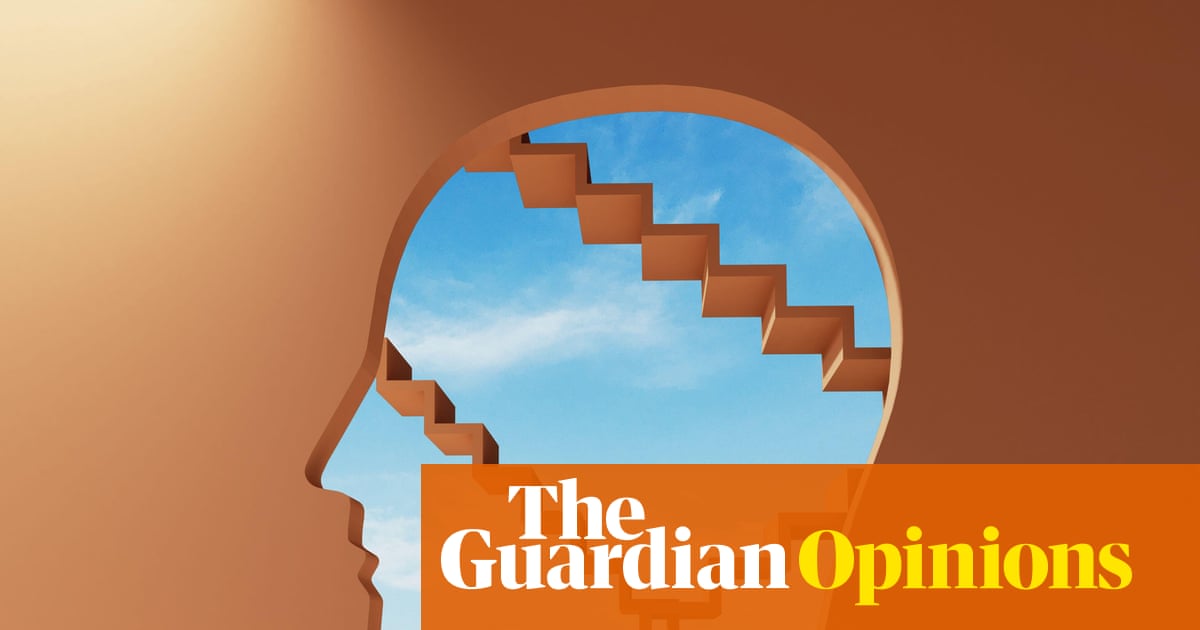
I avoid AI tools because thinking is supposed to be hard. It’s what makes us human | Wendy Liu
Wendy Liu argues against using AI tools for intellectual tasks like coding and writing, contending that the difficulty of thinking is a fundamental part of being human. Drawing on her own experience learning to code the hard way in the mid-2000s, she warns that outsourcing cognitive effort to AI bots risks allowing our intellectual faculties to atrophy, especially as intelligence itself becomes privatized by big tech companies.
Why it matters
I find this argument compelling in its core insight—that struggle and difficulty in thinking are not bugs but features of intellectual growth. There is genuine value in learning to code, write, and reason without shortcuts, as the process itself builds deep understanding. However, the position risks being overly absolutist; AI tools can augment thinking without replacing it, much like calculators didn't destroy mathematical understanding for those who first learned the fundamentals. The more im…
Guardian AI
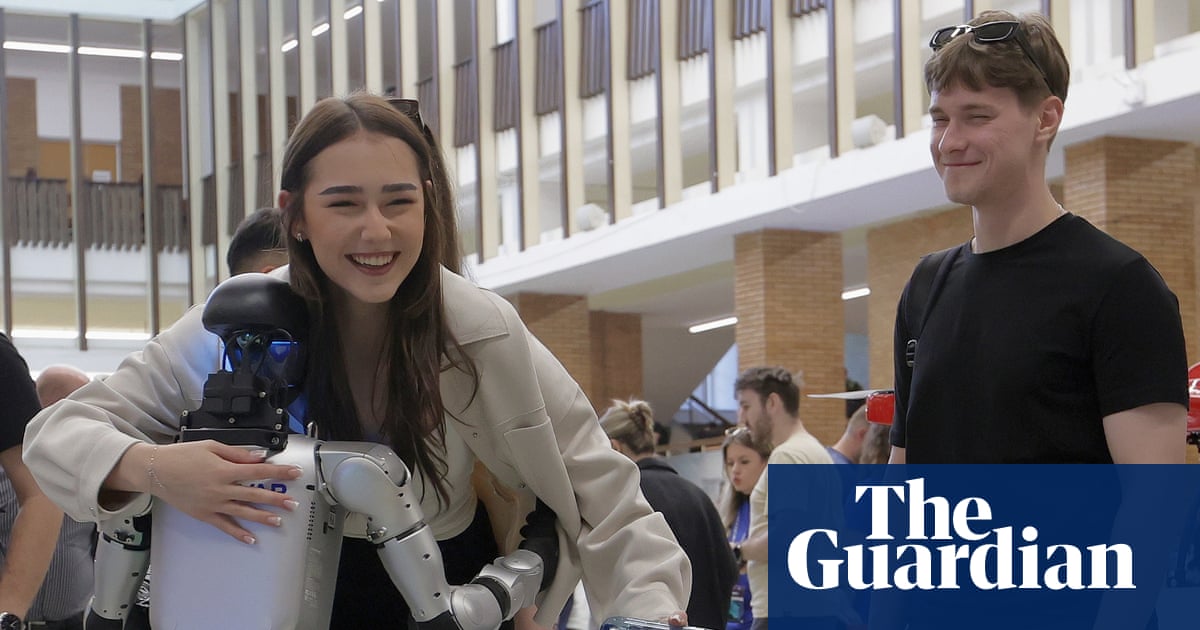
‘AI washing’: firms are scrambling to rebrand themselves as tech-focused
UK companies across low-tech industries are pressuring PR firms to rebrand ordinary automation and basic technology as artificial intelligence, a practice dubbed 'AI washing.' Communications executives report that bosses are making extreme stretches to present their businesses as AI specialists to capitalize on the hype around generative AI, even when their actual technology does not involve genuine artificial intelligence.
Why it matters
This article highlights a predictable but concerning trend that mirrors past tech hype cycles like blockchain and Web3. AI washing undermines genuine innovation by diluting the meaning of AI, making it harder for consumers and investors to distinguish real AI capabilities from rebranded automation. It also risks eroding public trust in AI technology broadly. The fact that PR professionals themselves are calling out this behavior suggests the practice has become pervasive enough to be problemati…
Guardian AI
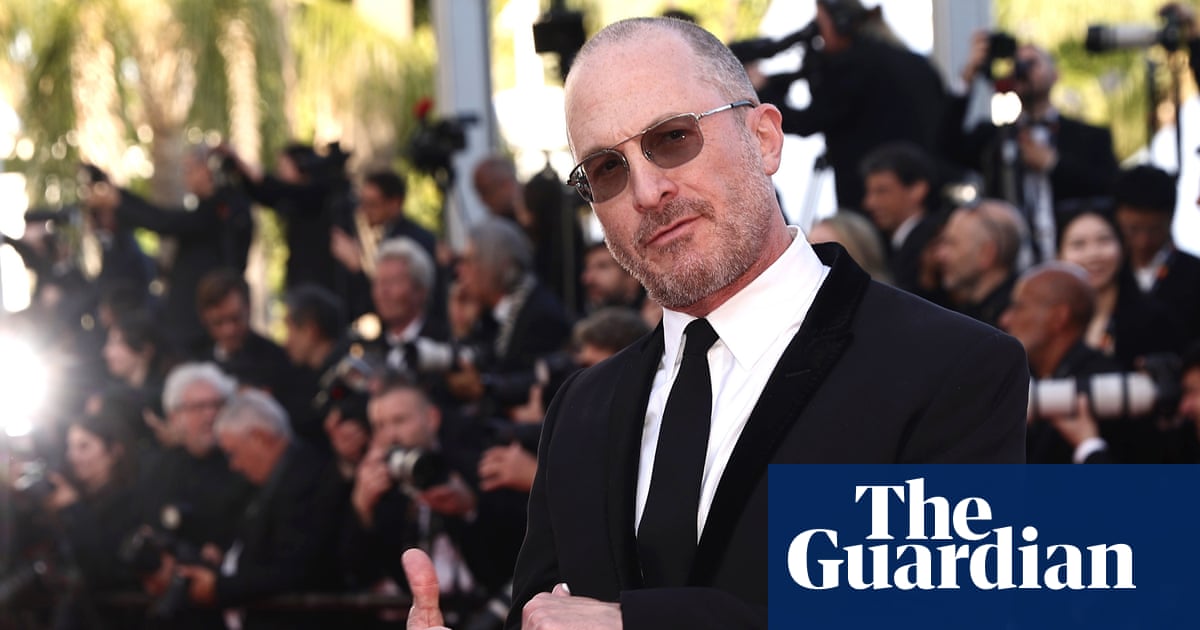
‘We’re expanding the cinematic toolbox’: AI fault lines on show at Cannes
The article covers the debate over AI in filmmaking as showcased at the Cannes Film Festival. Director Darren Aronofsky spoke at an 'AI for Talent' summit on the Croisette, defending the use of generative AI in cinema and framing it as expanding creative tools, despite facing criticism. In contrast, director Guillermo del Toro expressed strong opposition, saying he would 'rather die' than embrace AI in filmmaking. The piece highlights the deepening fault lines within the film industry over the adoption of AI technology.
Why it matters
This article captures a genuinely important cultural and industrial moment — the film industry grappling with AI at its most prestigious gathering. The contrast between Aronofsky's enthusiasm and del Toro's visceral rejection effectively illustrates how divided even top-tier filmmakers are on this issue. The setting details — the white marquee, superyachts, tech evangelists — subtly underscore the corporate and commercial forces driving AI adoption, which adds useful context. However, the artic…
Lenny's Newsletter
🧠 Community Wisdom: Best AI cold outreach app, advice for college students interested in PM, the state of AI in design, the relevance of QA in 2026, and more
This is a paywalled edition of Lenny's Newsletter's 'Community Wisdom' series (edition 186), published on May 23, 2026. The post promises to highlight the most helpful conversations from their members-only Slack community, covering topics including: the best AI cold outreach app, advice for college students interested in product management, the current state of AI in design, the relevance of QA (quality assurance) in 2026, and more. However, the actual content is locked behind a paid subscription and is not accessible from the page.
Why it matters
There is essentially no substantive content to evaluate here, as the entire post is behind a paywall. The topics teased in the headline are genuinely interesting and timely — particularly the questions about QA's relevance in 2026 and the state of AI in design, which reflect real anxieties and shifts in the tech industry. Lenny's Newsletter generally produces high-quality product management content, and the Community Wisdom series is known for surfacing practical, crowd-sourced advice. That sai…
TechCrunch AI

Ferrari is using IBM’s AI to create F1 superfans
Ferrari has partnered with IBM to enhance its fan engagement through AI-powered improvements to the Scuderia Ferrari HP fan app. The partnership, driven by IBM's Vice President of Sports Partnerships Kameryn Stanhouse and Ferrari's new head of fan development Stefano Pallard, focuses on transforming millions of race data points into engaging content. Key improvements include an AI companion for fan questions, AI-written race summaries, prediction games, behind-the-scenes content, and basic additions like Italian language support. The app aims to keep fans engaged year-round rather than just during race weekends, and has seen a 62% increase in engagement over race weekends since IBM's involvement. Ferrari is one of the few F1 teams with a standalone fan app strategy, reflecting the sport's growing global popularity fueled partly by Netflix's 'Drive to Survive.'
Why it matters
This is a solid but fairly conventional sports-tech partnership story. The 62% engagement increase is notable, but the article reads largely like a PR piece for IBM and Ferrari without much critical examination of whether AI-generated race summaries and chatbot companions genuinely create 'superfans' or just add features. The most interesting detail is actually the most mundane — that the app wasn't even available in Italian before IBM got involved, which suggests the previous app was severely…
Guardian AI
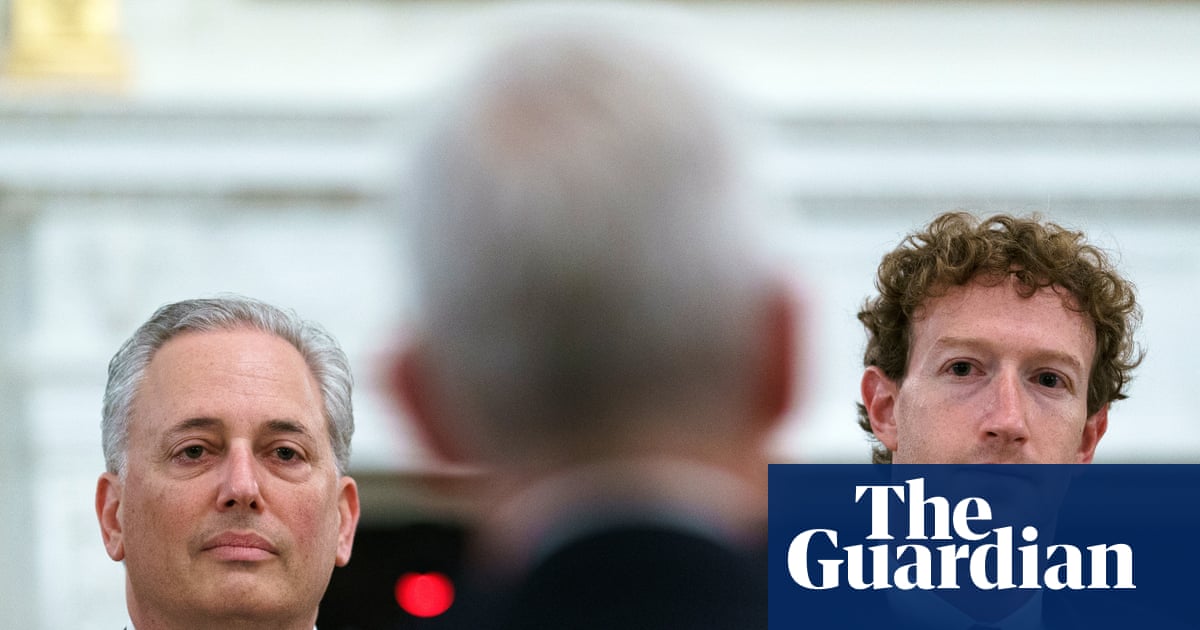
How big tech got its way on Trump’s AI executive order
The article reports that President Donald Trump reversed course on signing an executive order that would have required government safety reviews of new AI models before their release. Despite growing public concern and expert warnings about critical security risks posed by new AI models, Trump backed away from the measure, effectively giving big tech companies a green light to develop and release AI without government oversight or safety checks.
Why it matters
This article appears to be a legitimate news report from The Guardian, a well-established and reputable news outlet, covering a significant policy decision regarding AI regulation. The reporting focuses on a verifiable event — an executive order reversal — and frames it critically, highlighting the tension between industry interests and public safety. However, the headline 'How big tech got its way' signals an editorial angle suggesting corporate influence over policy. The framing leans toward…
TechCrunch AI

Elon Musk has given up on solar power (on Earth)
The article examines how Elon Musk appears to have abandoned his long-standing commitment to terrestrial solar power. His AI company xAI is powering data centers with dozens of unregulated natural gas turbines, with plans to spend $2.8 billion more on fossil fuel infrastructure, despite Tesla's Master Plans promising a 'solar electric economy.' While xAI has purchased $697 million in Tesla Megapacks for battery storage, it hasn't bought significant solar panels from Tesla. Meanwhile, the SpaceX IPO filing reveals the company is focused on space-based solar power and orbital data centers, claiming space solar arrays can generate over five times the energy of terrestrial ones due to 24/7 illumination. Musk appears to view current earthbound data centers as stopgaps until SpaceX can launch servers into orbit, driven by his belief that AI compute demands will reach 'terawatt-scale annual gr…
Why it matters
This article highlights a genuinely significant contradiction in Musk's business philosophy. The man who built Tesla's brand on the promise of a solar-electric economy is now burning natural gas at scale for AI while betting on the speculative prospect of space-based solar — a technology that remains economically unproven and faces enormous engineering hurdles. The framing is fair and well-sourced, drawing on the SpaceX IPO filing and concrete spending figures. The concern about xAI's unregulat…
Guardian AI
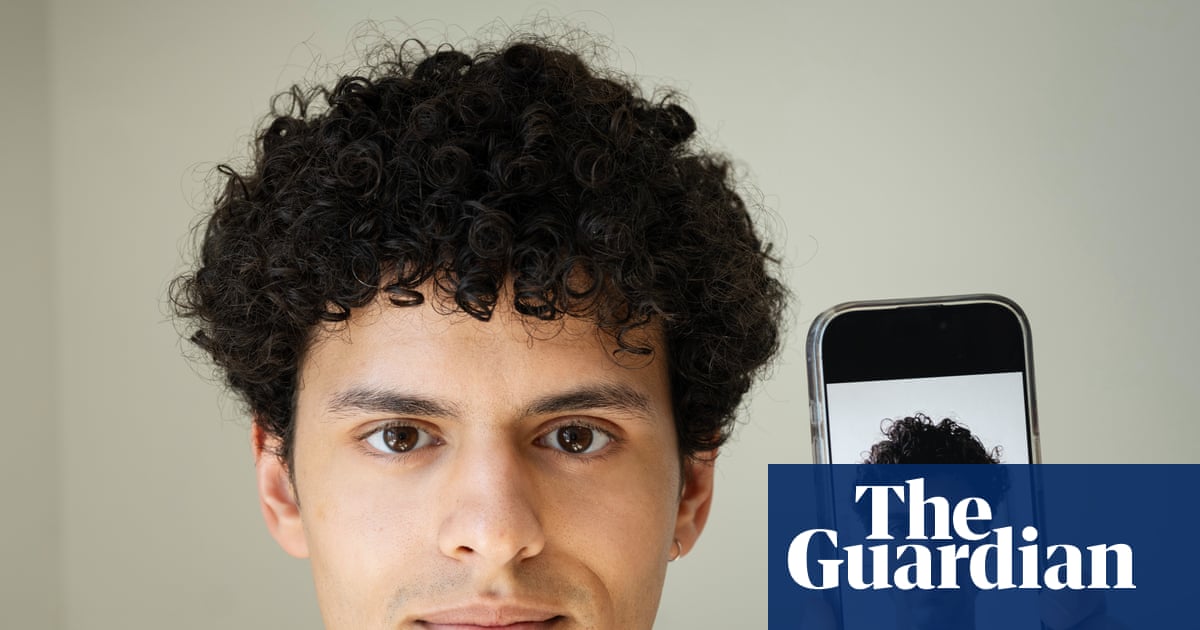
‘You can’t control everything’: the rise in plastic surgeons asked to create ‘AI face’
Plastic surgeons are reporting a growing trend of clients seeking cosmetic procedures based on AI-generated images of themselves, often produced by chatbots or beauty filters. Dubbed 'AI face,' these unrealistic, algorithmically perfected visions are leading people to request improbable surgical outcomes. Surgeons like Dr. Nora Nugent express concern that patients arrive with false expectations shaped by AI beautification tools, creating challenges in managing patient desires versus what is medically achievable.
Why it matters
This article highlights a troubling convergence of AI technology and body image issues. While AI-generated beauty filters and chatbot recommendations may seem harmless, they are effectively setting impossible aesthetic standards and driving people toward unnecessary or unrealistic surgical interventions. The phenomenon mirrors the earlier 'Snapchat dysmorphia' trend but is potentially more insidious because AI-generated images can appear highly realistic and personalized, making people believe…
From X/Twitter
- Lawrence Chen built cmux to solve the hardest part of running multiple Codex and Claude agents side by side — knowing which one wants to talk to you.
- Andrej Karpathy's 65-line CLAUDE.md file crossed 100K+ stars on GitHub — no app, no library, just coding philosophy in a text file.
- Mark Ronge runs 4 computers each with a different AI agent and gives a short tour of how he splits work across his little AI lab.
- How Hermes Agent's /goal command works: a judge model checks completion after every turn and auto-continues with its own reasoning until the goal is met or the token budget runs out.
- McKinsey analysis suggests agentic AI could eventually power around 60% of work across core marketing workflows — execution, optimization, and beyond.
- Pawel Huryn argues you should never write CLAUDE.md rules upfront — the ones that actually work all started as a mistake he hit manually first.
From Reddit/HN/YC
- [Hacker News] A first-principles case for ditching the keyboard: dictation, agents, and humans as the new workspace.
- [Hacker News] The Wild linker hits version 0.9.0 with a fresh batch of performance and compatibility fixes.
- [Hacker News] A deep dive into the anatomy of AI power in 2026 and who actually holds it.