Business, Deals & Funding
Guardian AI

AI companies want to water down Australia’s copyright laws. Artists are outraged, Labor is split
The article discusses the tension within Australia's Labor government over AI companies' push to weaken copyright laws. Author Anna Funder and other artists are outraged that tech companies have used their creative works without permission to train AI models. Prime Minister Anthony Albanese is set to deliver a major speech on AI as Labor MPs are divided between attracting datacentre investment and protecting the rights of creative professionals. The piece highlights the broader conflict between fostering AI industry growth and safeguarding intellectual property rights.
Why it matters
This article addresses one of the most critical and contentious issues at the intersection of technology and creative rights. The framing clearly sympathizes with artists and creators who feel their work has been exploited without consent or compensation. The tension within Labor reflects a genuine and difficult policy dilemma faced by governments worldwide: how to remain competitive in the AI race while upholding fundamental intellectual property protections. It is concerning that economic inc…
TechCrunch AI

OpenAI bets on families as ChatGPT goes deeper into households
OpenAI is hiring a dedicated product manager to build ChatGPT experiences for families, caregivers, and older adults, signaling a shift from individual productivity tools to household-oriented technology. This comes as ChatGPT's user base is aging — users 35+ grew from 26% to 31% globally, and nearly 25% of U.S. parents with smartphones now use ChatGPT. The move brings new trust and safety challenges, especially for children, as research shows parents underestimate their kids' AI usage. OpenAI has faced lawsuits alleging ChatGPT harmed children and has introduced safety measures including parental controls, sensitive conversation routing, and a Trusted Contact feature. Experts say this represents 'safety by redesign' and an opportunity for AI companies to avoid mistakes made by social media platforms.
Why it matters
This is a strategically important and arguably overdue move by OpenAI. As ChatGPT becomes embedded in daily household life, treating it purely as an individual productivity tool ignores the reality of how families actually interact with technology. The demographic data showing rapid adoption among parents and older adults makes a compelling case for dedicated family-focused product design. The safety dimension is critical — the gap between parents' perception and children's actual AI usage is a…
Guardian AI
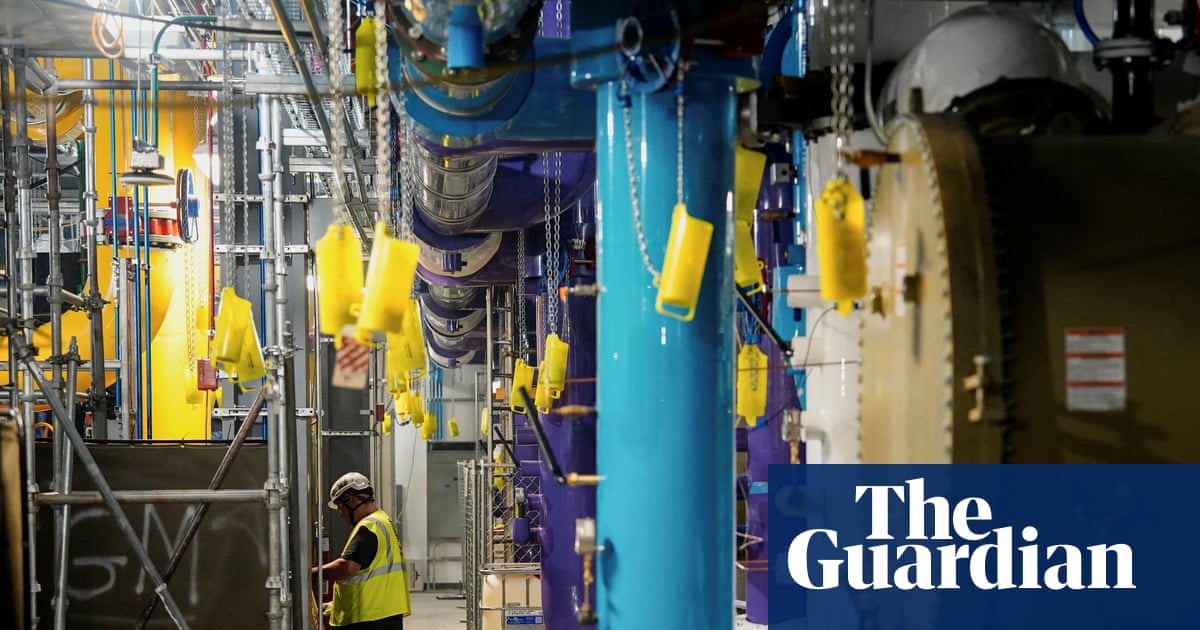
Datacentres drive up big tech’s carbon emissions to a third of those of France
Microsoft, Amazon, and Google's combined carbon emissions have risen by nearly a fifth in the past year, reaching 119 million metric tonnes of CO₂ equivalent in the financial year ending March 2026—roughly a third of France's total emissions. The increase is driven largely by datacentre construction, though all three companies maintain they still aim to achieve net zero emissions.
Why it matters
This is a striking and alarming figure that underscores the enormous environmental cost of the AI and cloud computing boom. The fact that just three companies now produce emissions equivalent to a third of an entire industrialized nation like France reveals a profound tension between the tech industry's sustainability pledges and its aggressive infrastructure expansion. Their continued insistence on net zero goals rings increasingly hollow when emissions are climbing nearly 20% year over year.…
Guardian AI
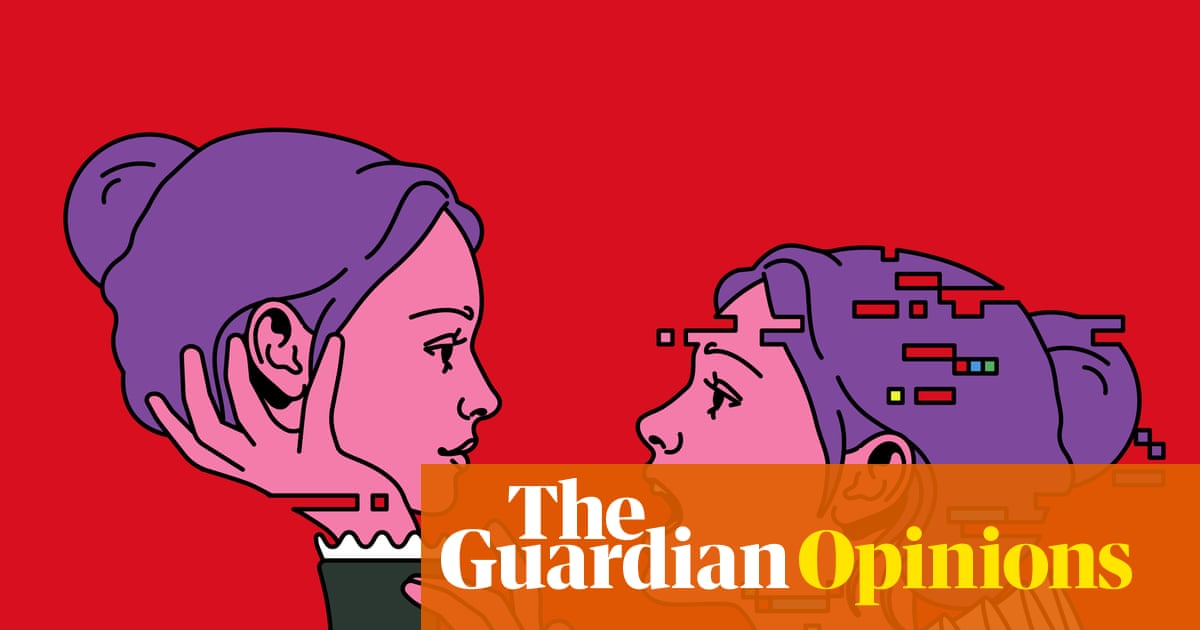
AI ‘actor’ Tilly Norwood has a movie coming out. Spare us this future | Dave Schilling
The article by Dave Schilling criticizes the emergence of AI 'actor' Tilly Norwood, who has a movie coming out. Schilling argues that acting is fundamentally about human connection across cultural and social divides, something an AI-generated digital performer cannot authentically provide. He expresses concern about the growing trend of AI actors in cinema and the publicity machinery behind making them mainstream, viewing this as a troubling future for the film industry.
Why it matters
The author is strongly opposed to AI actors in cinema. He views the concept with disdain and concern, arguing that replacing human actors with AI-generated performers undermines the essential human connection that makes acting meaningful. His tone is sardonic and critical, treating the 'Tillyverse' as a dystopian development that cinema lovers should resist rather than embrace.
Guardian AI

Safe from AI: which jobs will help you thrive in the future?
The Guardian article explores which careers are likely to remain resilient in the face of AI advancement. Experts from various industries including teaching, hospitality, law, and medicine share their perspectives on how AI will impact different professions. The piece suggests that while AI is transforming the workplace, many roles will still offer strong opportunities, particularly those requiring human interaction, judgment, and adaptability. The article advises people entering the workforce to consider how they can future-proof their careers by choosing fields less susceptible to automation and by developing skills that complement rather than compete with AI technology.
Why it matters
This is a timely and practical article that addresses a widespread anxiety about the future of work. The framing of 'AI-proofing' careers is useful for young people and career changers, though the article appears to take a cautiously optimistic tone that may understate the pace and breadth of AI disruption. It's worth noting that predictions about which jobs are 'safe' from technological change have historically been unreliable — many roles considered immune to automation a decade ago are now b…
From Reddit/HN/YC
- [Hacker News] Someone got Godot running Gemma 4 inference in GDScript and Vulkan compute shaders — local LLMs inside a game engine.
- [Hacker News] A 2024 essay makes the case to stop getting "good" at ChatGPT — the skill being commoditized is yours.
- [Hacker News] DejaView gives you a terminal dashboard for all your Claude Code sessions so nothing gets lost between context windows.
- [Hacker News] A new benchmark tests the political neutrality of popular AI models — results are uneven.
- [Hacker News] The case for narrow models over fat ones — smaller, task-specific architectures as the real path forward.
- [Hacker News] InLie is a Chrome extension that surfaces manipulation tactics in political videos in real time.